
Venice Carnival 2026: History, Magic and Practical Tips
Affitto Noleggio Mascotte Costumi Looney Tunes
Bugs Bunny, Daffy Duck ,Porky Pig, Taddeo, Willy il Coyote e Beep Beep ,Titti, Silvestro, Nonna.
https://www.festeitaliashop.com/389-looney-tuneshttps://www.festeitaliashop.com/389-looney-tunes

The Venice Carnival 2026 is set to be one of the most fascinating and eagerly awaited events in Europe. Elegant masks, misty canals, and historic palaces turned into living stages: during Carnival, Venice becomes more than a city — it transforms into an open‑air theatre where time seems to stand still.
In this in‑depth article you’ll find everything you need to know about the Venice Carnival 2026: from the history of this centuries‑old tradition, to its most iconic events, and practical advice on how to get there and where to park. An original guide designed for travelers who want to experience Carnival in an authentic, stress‑free way.
The History of the Venice Carnival
The origins of the Venice Carnival date back to the Middle Ages. The first official reference appears in 1094, when Doge Vitale Falier mentioned Carnival celebrations in a public document. However, it was during the Renaissance that Carnival became a central element of Venetian social life.
At the height of the Serenissima Republic, Carnival did not last just a few days. In some periods it extended for weeks, sometimes even months. Masks allowed people to erase social differences: nobles and commoners could mingle freely, speak openly, gamble, attend parties, and plot intrigues without being recognized.
With the fall of the Republic of Venice in 1797, Carnival was severely reduced. It was officially revived only in 1979, marking the beginning of the modern Venice Carnival we know today.
The Meaning of Venetian Masks
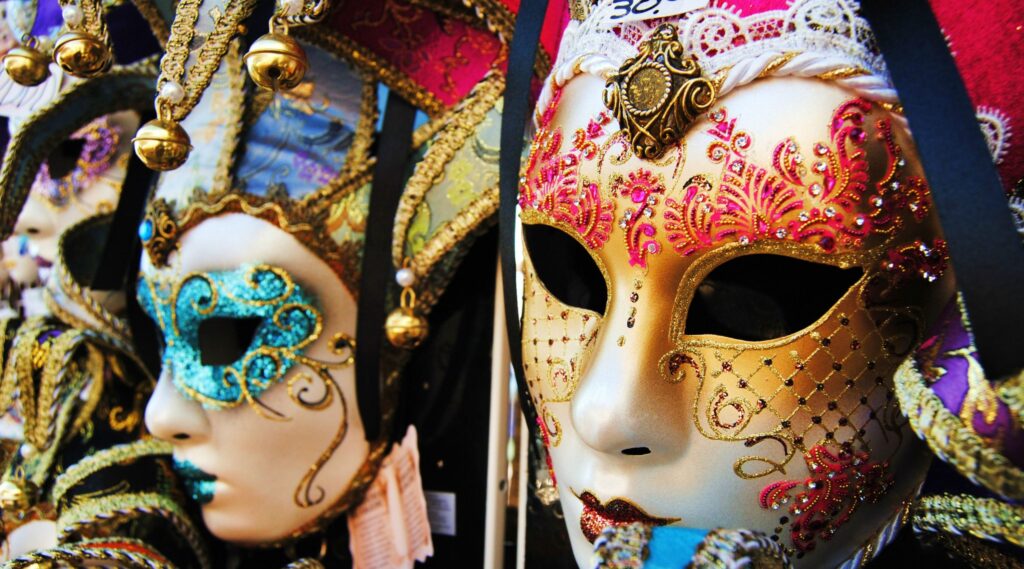
Masks are the very soul of the Venice Carnival. Each traditional mask carries its own symbolism and history:
- Bauta: the most iconic mask, designed to allow eating and speaking while remaining anonymous.
- Moretta: a mysterious female mask traditionally worn in silence.
- Volto (or Larva): simple and elegant, often decorated with gold or silver.
- Plague Doctor: originally a medical device, now one of the most photographed Carnival masks.
During the Venice Carnival 2026, mask craftsmanship will once again take center stage, with historic workshops and contemporary artisans blending tradition and innovation.
Venice Carnival 2026: What to Expect
Although the official program is usually announced a few months before the event, the Venice Carnival follows a well‑established structure every year.
Main Events
- Venetian Water Parade: the official opening of Carnival, featuring beautifully decorated boats.
- Flight of the Angel: one of the most anticipated moments, symbolically descending from St. Mark’s Campanile.
- Best Mask Contest: held daily in St. Mark’s Square.
- Masked Balls in Historic Palaces: exclusive events recreating the splendor of the 18th century.
The Venice Carnival 2026 will once again balance free outdoor events with high‑end private celebrations.
Experiencing Carnival Through Streets and Squares
One of the most magical aspects of the Venice Carnival is encountering stunning costumes simply by walking through the city. Away from the busiest routes, in quiet squares and narrow streets, Venice reveals its most timeless and intimate atmosphere.
The best advice is to wander without a strict itinerary. During Carnival, Venice should be explored slowly, paying attention to details, listening to the sound of water and voices echoing between ancient buildings.
How to Get to Venice for Carnival 2026
Reaching Venice during Carnival requires some planning, especially on peak days.
Arriving by Train
The train is the most convenient option. Venice Santa Lucia Station is located directly in the historic center. From there, you can continue on foot or by vaporetto.
Arriving by Plane
Venice Marco Polo Airport is connected to the city by buses, water taxis, and boats. During Carnival, it’s highly recommended to book transfers in advance.
Arriving by Car
Private cars are not allowed in the historic center, but they can be used up to the city’s access points.
Where to Park in Venice
Visitors arriving by car must leave their vehicle before entering the historic city.
Main Parking Options
- Piazzale Roma: the closest option to the center, but also the most expensive.
- Tronchetto: a large parking area connected to the city via the People Mover.
- Mestre: more affordable parking with frequent train and bus connections.
During the Venice Carnival 2026, booking parking in advance is strongly recommended, especially on weekends.
Where to Stay During Carnival
Staying in the historic center allows you to fully immerse yourself in the Carnival atmosphere, but prices can be high. Mestre and nearby areas offer excellent transport connections and more budget‑friendly accommodations.
Early booking is essential, particularly for Venice Carnival 2026, which will attract visitors from all over the world.
Practical Tips for Venice Carnival 2026
- Wear comfortable shoes: you’ll walk a lot.
- Dress in layers: February can be cold and humid.
- Respect the city and its residents.
- Avoid peak hours in St. Mark’s Square.
- Book restaurants and events in advance.
Carnival as a Cultural Experience
The Venice Carnival is not just about celebration and spectacle — it’s also a chance to rediscover the city’s history, art, and identity. Every mask tells a story, and every palace hides centuries of secrets.
Taking part in the Venice Carnival 2026 means stepping into a world suspended between past and present, even if only for a few days.
Conclusion
The Venice Carnival 2026 is an unmissable event for anyone who loves tradition, elegance, and timeless magic. Proper planning, historical awareness, and smart organization will help you enjoy an unforgettable experience.
Whether it’s your first visit or you’ve loved Venice for years, Carnival will surprise you once again.
We look forward to your comments: share your Carnival experiences, favorite masks, and tips with fellow travelers.