
Carnival 2026: dates, history and the main carnivals in Italy
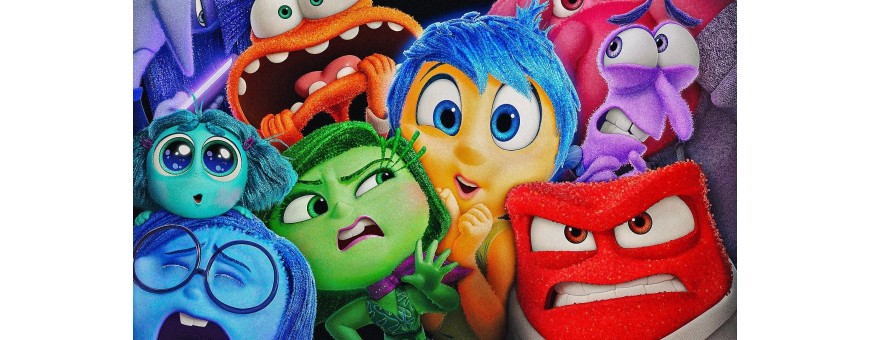
Affitto Noleggio Mascotte Costumi Inside Out
Gioia, Tristezza, Rabbia, Disgusto, Paura.
Compleanni a tema Inside Out,Feste a tema Inside Out,Feste bambini Inside Out,Spettacoli a tema
https://www.festeitaliashop.com/836-inside-out
Carnival 2026 is shaping up to be one of the most anticipated events of the year for those who love popular traditions, masks, parades and typical food. In this article you will find a complete and original guide: from the official Carnival 2026 dates, to the history of the festival, up to a detailed list of the main carnivals in Italy, with no references to external websites, designed to offer clear, useful content already optimized for SEO.
The goal is to take you on a journey through the cultural roots of Carnival and help you decide where and how to best experience this festive period. Whether you are a curious traveler, a folklore enthusiast, or simply looking for ideas, here you will find all the essential information.
Carnival 2026 dates
Carnival is a movable feast, as it depends on the date of Easter. In 2026 Easter will fall on Sunday, April 5, and therefore the Carnival calendar will be as follows:
- Start of Carnival 2026: Tuesday, January 6, 2026 (Epiphany)
- Fat Thursday: February 12, 2026
- Carnival Sunday: February 15, 2026
- Fat Tuesday: February 17, 2026
- Ash Wednesday: February 18, 2026 (beginning of Lent)
Traditionally, the most intense celebrations take place during the last two weeks, culminating on Fat Tuesday, the last day of excess before the Lenten period of fasting and reflection.
It should be noted that some cities follow the Ambrosian Carnival, which ends four days later than the Roman rite, extending the celebrations until the Saturday after Ash Wednesday.
Origins and history of Carnival
The word Carnival comes from the Latin carnem levare, meaning “to remove meat,” referring to the prohibition of eating meat during Lent. However, the roots of Carnival are even older and can be traced back to pagan festivals of ancient Rome.
During the Saturnalia and Lupercalia, social hierarchies were temporarily overturned: slaves could act as free men, the poor dressed in rich clothes, and chaos replaced order. With the advent of Christianity, these celebrations were absorbed and reinterpreted, giving rise to Carnival as we know it today.
In the Middle Ages and the Renaissance, Carnival became a central moment in city life. Masks allowed anonymity, encouraging political and social satire. Even today, many traditional Italian masks represent vices, virtues and characteristics of the people.
The meaning of Carnival masks
Masks are the most recognizable symbolic element of Carnival. In Italy, each region developed iconic characters, often linked to the Commedia dell’Arte tradition.
Among the most famous are:
- Arlecchino, the clever and hungry servant, symbol of Bergamo
- Pulcinella, the ironic and melancholic Neapolitan mask
- Pantalone, the rich Venetian merchant
- Colombina, lively and intelligent
- Balanzone, the pedantic scholar
During Carnival 2026, these masks will once again be the protagonists of parades, theatrical performances and costume parties, keeping a centuries-old tradition alive.
The main carnivals in Italy
Italy is famous worldwide for the variety and richness of its carnivals. Each city interprets this celebration in a unique way, blending history, creativity and popular participation. Below is a list of the most important Italian carnivals, with no references to external websites, to offer a complete overview.
Venice Carnival
Undoubtedly the most famous internationally, the Venice Carnival stands out for the elegance of its masks, eighteenth-century costumes and the suggestive atmosphere that envelops streets and squares. In 2026, the main events will take place between late January and mid-February, with masked balls, water parades and cultural performances.
Viareggio Carnival
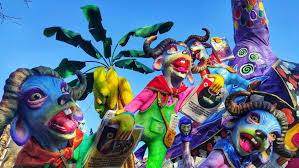
Famous for its papier-mâché allegorical floats, the Viareggio Carnival offers sharp satire of political and social current affairs. The parades along the seaside promenade attract thousands of visitors every year. In 2026, as always, the giant floats will be the real stars of the show.
Ivrea Carnival
The Ivrea Carnival is known for the historic Battle of the Oranges, a symbolic reenactment of a medieval popular uprising. It is one of the oldest carnivals in Italy and is distinguished by the strong involvement of local residents.
Ambrosian Carnival of Milan
Unlike the rest of Italy, Milan follows the Ambrosian rite. The Ambrosian Carnival 2026 will end on Saturday, February 21, offering a few extra days of celebrations with parades, family-friendly events and street performances.
Cento Carnival
Twinned with the Rio de Janeiro Carnival, the Cento Carnival is known for spectacular parades, live music and the throwing of gadgets and gifts. It is one of the liveliest events in Emilia-Romagna.
Putignano Carnival
Considered one of the longest in Europe, the Putignano Carnival begins as early as January. The allegorical float parades, traditional masks and strong local identity make it truly unique.
Acireale Carnival
In Sicily, the Acireale Carnival is famous for its flower-covered floats and papier-mâché allegorical carts. Colors, flowers and music turn the city into a large open-air stage.
Fano Carnival
Known as the Carnival of the “throw,” the Fano Carnival features the tossing of sweets from the top of the floats. It is a much-loved event for families and children.
Sciacca Carnival
Among the oldest in Sicily, the Sciacca Carnival combines tradition, irony and large allegorical floats, with a strong connection to local popular culture.
Mamoiada Carnival
In Sardinia, the Mamoiada Carnival stands out for the ancient masks of the Mamuthones and Issohadores, linked to ancestral rites. It is a darker, more symbolic Carnival, deeply different from the more spectacular ones.
Carnival food traditions
Carnival 2026 will also be a journey through taste. Each Italian region offers typical sweets, often fried, celebrating abundance before Lent.
Among the best known are:
- Chiacchiere, frappe, bugie
- Castagnole
- Venetian fritters
- Zeppole
- Sweet tortelli
These specialties are not just food, but real cultural symbols passed down from generation to generation.
Why experience Carnival 2026 in Italy
Taking part in Carnival in Italy means coming into contact with authentic traditions, often rooted in centuries of history. Each event tells a different story, reflects the soul of the territory and offers a unique experience.
The year 2026 represents an excellent opportunity to rediscover popular festivals, historic towns and art cities through the common thread of Carnival, combining fun, culture and conviviality.
Conclusion
Carnival 2026 promises to be a period full of events, colors and deep meanings. Knowing the dates, history and main carnivals in Italy allows you to experience this celebration in a more informed and engaging way.
Whether you choose the elegance of Venice, the satire of Viareggio or the ancient traditions of Sardinia, Carnival will surprise you and give you authentic emotions.
We look forward to your comments to find out which Carnival you prefer and how you plan to celebrate Carnival 2026.