
Summer Camps for Children: Games, Costs, and Regulations
Feste bambini Compleanni
Le migliori offerte per le tue feste bambini, Compleanni
https://www.festeitaliashop.com/936-feste-bambini-compleanni-italia

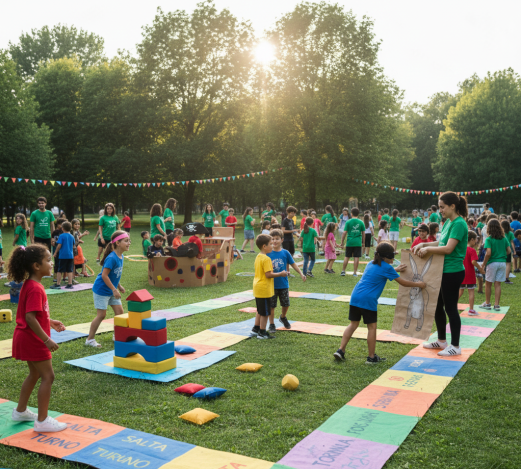
Summer is a special time for children: a period of fun, socialization, and discovery. Children’s summer camps provide a safe and stimulating environment where kids can grow, make new friends, and participate in educational and recreational activities. However, organizing and attending a summer camp requires attention to several aspects: from games and activities to costs and regulations.
In this article, we will cover everything related to summer camps: types of games and activities, cost management, rules and regulations, and how families and educators can ensure positive experiences for children.
1. Types of Games in Summer Camps
The core of every summer camp is play, which allows children to learn through experience. Games can be divided into several categories:
1.1 Motor and Sports Games
These games help develop coordination, endurance, and motor skills:
- Team games: soccer, volleyball, basketball, relay races.
- Obstacle courses: climbing, jumping, and safe obstacle paths.
- Water activities: pool games or safe water play.
- Balance games: walking on beams, low ropes, coordination exercises.
1.2 Creative Games and Workshops
Creative play stimulates imagination and manual skills:
- Art workshops: painting, collage, modeling, decoupage.
- Music workshops: instruments, singing, rhythm exercises, small performances.
- Theater workshops: improvisation, acting, dramatizing stories.
1.3 Educational and Cognitive Games
These games help develop logical thinking, memory, and problem-solving skills:
- Puzzles, construction sets, and strategy games.
- Quizzes, riddles, and themed treasure hunts.
- Simple, interactive science experiments.
1.4 Outdoor and Group Games
Outdoor play encourages socialization, rule-following, and cooperation:
- Group movement games: tag, charades, and team activities.
- Orientation games: maps, treasure hunts, clue-based paths.
- Nature activities: observing plants, insects, and small environmental experiments.
2. Activity Planning
Each summer camp must structure activities according to children’s age, available space, and the number of educators.
2.1 Age Groups
- 3–5 years: simple games, creative activities, attention to rest periods.
- 6–8 years: more complex motor games, educational workshops, and group activities.
- 9–12 years: strategy games, structured sports, thematic workshops, and collaborative activities.
2.2 Activity Rotation
- Alternate between motor games, creative workshops, and relaxation moments.
- Weekly planning with specific themes (nature, sports, art, science).
- Include socialization time, free play, and guided activities.
2.3 Educator Involvement
- Trained educators guide games, stimulate participation, and supervise safety.
- Staff must always be present and attentive to group dynamics.
- Continuous training ensures updated play and educational techniques.
3. Summer Camp Costs
Participation in a summer camp involves various costs linked to management, safety, and proposed activities.
3.1 Main Cost Items
- Educational staff: educators, sports instructors, coordinators.
- Facilities and spaces: rental of rooms, maintenance, sports and creative equipment.
- Materials: games, workshop tools, art and sports supplies.
- Safety: insurance, first aid, optional health staff.
- Meals and snacks: if provided, balanced foods and appropriate portions.
3.2 Payment Methods
- Weekly or monthly fees, often with discounts for siblings.
- Possibility of advance payment or installments.
- Tiered pricing based on schedule (half-day or full-day) and included services.
3.3 Financial Aid
- Scholarships or discounts for low-income families.
- Agreements with municipalities or cultural associations.
- Promotions for early registrations or large groups.
4. Summer Camp Regulations
Rules ensure safety, fairness, and transparency for children, families, and staff.
4.1 General Rules
- Clear opening and closing hours.
- No dangerous or violent behavior.
- Respect for equipment and common spaces.
4.2 Health and Safety
- Submission of medical forms and allergy or health declarations.
- Presence of staff trained in first aid.
- Safety measures for games, sports, and workshops.
4.3 Participation Rules
- Registration through official forms with parental consent.
- Participation in age-appropriate activities.
- Respectful behavior toward peers and educators.
4.4 Responsibilities
- Educators are responsible for supervising children.
- Parents are informed of any incidents or health issues.
- Camp covered by liability and accident insurance.
5. Safety in Games and Activities
Ensuring safety during play is essential.
5.1 Motor and Sports Games
- Constant supervision during activities.
- Use of safe, certified equipment.
- Presence of staff during all outdoor games.
5.2 Creative Games
- Non-toxic, age-appropriate materials.
- Supervision for activities involving potentially dangerous tools.
5.3 Emergency Management
- Clear emergency plans for fires, accidents, or health issues.
- Emergency contacts and first aid always available.
- Staff trained in pediatric CPR and first aid.
6. Family Involvement
Parental participation is crucial for a successful camp.
- Clear communication about schedules, costs, and activities.
- Preliminary meetings to understand regulations and meet staff.
- Feedback and suggestions on activities and children’s behavior.
- Opportunities for visits or open days to observe workshops and games.
7. Benefits of Summer Camps for Children
Summer camps offer concrete benefits for child development:
- Socialization: learning to interact and cooperate.
- Motor development: improved coordination, balance, and endurance.
- Emotional growth: increased autonomy, emotional regulation, and self-confidence.
- Creative and cognitive learning: development of logical thinking and manual skills through games and workshops.
8. How to Choose a Summer Camp
Families should evaluate the following when choosing a camp:
- Staff qualifications: training and experience with children.
- Activities offered: games, workshops, and sports suitable for participants’ ages.
- Safety: compliance with rules, insurance coverage, and constant supervision.
- Cost transparency: clear fees, included services, and possible discounts.
- Reputation and feedback: opinions of other families and outcomes for children.
9. Daily Organization
A typical day in a summer camp may be structured as follows:
- Morning: arrival, free play, and motor activities.
- Mid-morning: creative workshops or educational games.
- Lunch: snack or meal with staff supervision.
- Afternoon: outdoor games, sports, or group activities.
- End of day: relaxation time, progress evaluation, and handover to parents.
10. Conclusion
Children’s summer camps provide a unique opportunity for growth, fun, and socialization. Careful organization of games, cost management, and adherence to regulations are essential to ensure safe and positive experiences.
Families and educational staff collaborate to create a stimulating and secure environment, where children develop motor, social, and emotional skills. Participating in a quality summer camp is an investment in children’s growth, ensuring an unforgettable summer.
We look forward to your comments!