
Fireworks: History, Shows, Duration, and Costs of an Incredible Display
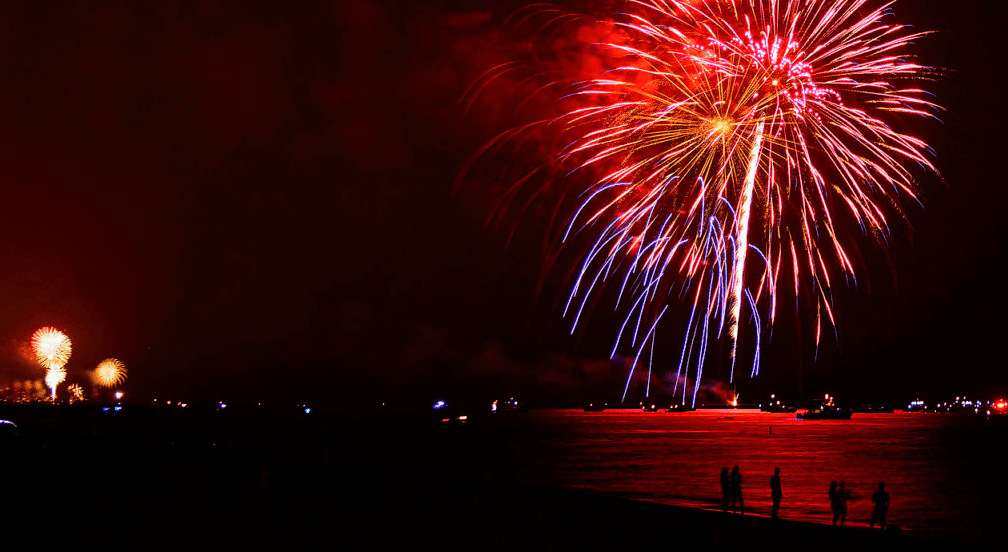
Fireworks are among the most spectacular and mesmerizing live displays in the world. From their traditional use in national celebrations to modern synchronized shows with music and lights, fireworks have become a symbol of celebration, wonder, and creativity. In this article, we explore the history of fireworks, how modern shows are organized, their duration, average costs, and the best ways to enjoy them safely.
The History of Fireworks
Origins in China
Fireworks originated in China over 2,000 years ago during the Han dynasty. Initially, they were simple bamboo tubes filled with black powder that, when ignited, produced a loud bang. They were mainly used to ward off evil spirits and celebrate important occasions, such as Chinese New Year or imperial ceremonies.
Over time, black powder was improved, and metals and pigments were added to create different colors and spark effects, paving the way for the sophisticated pyrotechnic displays we see today.
Expansion to the East and West
From China, the art of fireworks spread to the Middle East and Europe via merchants and travelers. In Europe, fireworks were first used for religious ceremonies, royal celebrations, and civic festivities, quickly becoming a symbol of prestige and power.
During the Renaissance, fireworks became more complex, featuring scenic designs, sound effects, and aerial patterns, anticipating the large-scale shows we know today.
Fireworks and Modern Pyrotechnics
Today, fireworks are not just colorful explosions but works of art, designed with software, 3D effects, and musical choreography. Every detail—from color sequences to timing—is carefully planned to offer spectators an immersive and emotional experience.
Types of Firework Shows
Fireworks can be classified based on purpose and production scale. Main types include:
1. Traditional Show
- Used for public holidays, New Year’s Eve, and local celebrations
- Composed of standard effects such as rockets, fountains, and firecrackers
- Typical duration: 10–20 minutes
2. Musical Firework Show
- Synchronizes explosions with music and lights
- Common in festivals, concerts, and gala events
- Duration: 20–40 minutes
- Requires digital control software and experienced operators
3. Thematic or Choreographed Show
- Customized for weddings, corporate events, or cultural celebrations
- May include special effects such as water, smoke, lasers, or projections
- Duration: 30–60 minutes
4. Traveling or Multiple-Location Show
- Performance staged at multiple points in a city or along a waterfront
- Ideal for large public festivals or celebrations
- Duration: 30–90 minutes depending on route
Structure of a Firework Event
Organizing a fireworks display requires meticulous planning. Key elements include:
- Sequence Design
Each effect is calculated to create a visual and emotional climax using color, shape, and intensity. - Technical Setup
Fireworks are mounted on platforms, boats, or buildings, using electronic ignition systems for precision and safety. - Safety and Permits
Essential to obtain municipal permits, mark safety zones, and have fire safety equipment and personnel ready. - Music Synchronization (Optional)
Music can enhance the emotional impact when synchronized with the explosion sequences. - Grand Finale
The most spectacular shows often end with a “cascade finale,” a continuous burst of fireworks at maximum intensity.
Duration of a Firework Show
The duration depends on the event type, number of effects, and production complexity:
- Mini show: 10–15 minutes
- Classic show: 20–30 minutes
- Full or musical show: 30–60 minutes
- Traveling/festival show: 1–1.5 hours
Balancing duration and intensity ensures the audience remains engaged and impressed without fatigue.
Cost of Fireworks
Costs vary depending on several factors:
1. Number and Type of Effects
- Standard fireworks: lower cost
- Special effects, lasers, fountains, or water effects: higher cost
2. Duration of the Show
- Longer shows require more pyrotechnics, increasing the price
3. Location and Logistics
- Transport and setup on buildings, boats, or large open spaces
- Requires qualified personnel and equipment
4. Technical Complexity
- Music synchronization software
- Customized choreography
- Professional safety measures
Indicative Price Ranges
- Small local event: €300 – €1,000
- Medium festival or event: €1,000 – €5,000
- Large-scale or musical show: €5,000 – €50,000+
Prices vary depending on duration, complexity, location, and reputation of the pyrotechnics company.
Safety and Regulations
Safety is critical in any fireworks display:
- Clearly marked and controlled safety zones
- Fire extinguishers and trained personnel on-site
- Certified materials and electronic ignition systems
- Public restricted from launch areas
- Compliance with national and local regulations
A professional setup ensures a spectacular show without accidents.
Why Choose Fireworks for an Event
Fireworks offer:
- Instant visual excitement
- Surprise and magical effect
- Spectacular photo and video opportunities
- Memorable entertainment for all ages
- Unique celebratory atmosphere
No other spectacle combines light, color, and sound as powerfully and engagingly.
Fireworks for Weddings
Increasingly popular for luxury weddings:
- Reception opening
- Evening romantic finale
- Memorable photos and videos
A pyrotechnic finale leaves a lasting impression on guests.
Fireworks for Corporate Events
Companies use fireworks for:
- Product launches
- Grand openings
- Conventions and gala events
- Promotional campaigns
Fire symbolizes energy, innovation, and prestige.
How to Choose the Right Provider
- Check experience and portfolio
- Verify certifications and insurance
- Request a detailed show plan
- Confirm professional safety measures
- Read reviews from previous clients
Professionalism and quality are essential when dealing with pyrotechnics.
Firework Trends in 2026
- Combined LED and fire effects
- Music-synchronized choreography using digital control
- Themed or narrative shows
- Luxury weddings and festival finales
- Drone integration and 3D mapping
Pyrotechnics continue to evolve, creating ever-new ways to amaze audiences.
Conclusion
Fireworks are more than colorful explosions—they are artistic, emotional, and unforgettable displays. From ancient Chinese origins to modern musicalized shows, pyrotechnics continue to captivate audiences worldwide.
For any event, fireworks provide emotion, color, and magic, making them the perfect choice for creating lasting memories.