
Personnel Training in Children’s Summer Camps: A Complete Guide
Noleggio Giochi Gonfiabili dai 3 fino a 8 anni
Castelli, Scivoli, Gonfiabili a tema, Giochi Gonfiabili, Gonfiabili per feste, Gonfiabili a lungo termine, Gonfiabili Acquatici, Parchi Gonfiabili
https://www.festeitaliashop.com/863-gonfiabili-dai-3-fino-a-8-anni
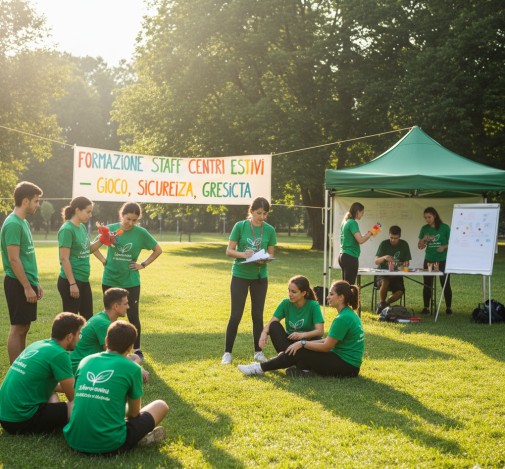
Children’s summer camps are much more than simple entertainment during school holidays. They are educational, creative, and social spaces where children learn to interact, develop motor and cognitive skills, and grow in a safe and stimulating environment. At the heart of a successful summer camp is well-trained and qualified staff, capable of ensuring children’s safety, well-being, and appropriate stimulation.
In this article, we will explore the importance of staff training in summer camps, the essential requirements, recommended training paths, key skills to develop, group and conflict management, safety, and communication with families.
1. The Importance of Staff Training
The quality of a summer camp largely depends on the staff’s skills and preparation. Well-trained personnel provide numerous advantages:
- Child safety: knowledge of first aid procedures and emergency management reduces risks.
- Educational support: trained educators know how to stimulate children’s curiosity, creativity, and social skills.
- Group management: trained staff can organize age-appropriate activities and handle complex group dynamics.
- Inclusion: staff aware of cultural, emotional, and cognitive diversity foster a welcoming and respectful environment.
Training is therefore not optional—it is a central element in running a high-quality summer camp.
2. Essential Staff Requirements
Summer camp staff must combine pedagogical, organizational, and interpersonal skills. Key requirements include:
- Minimum age and educational background: many camps require educators to be at least 18 and have basic education or social/educational training.
- Experience with children: prior experience in kindergartens, play centers, or extracurricular activities is valuable.
- First aid certification: basic pediatric first aid and emergency management knowledge.
- Communication skills: ability to interact clearly and respectfully with children, colleagues, and families.
- Flexibility and resilience: ability to adapt to unexpected situations and remain calm under pressure.
3. Recommended Types of Training
To ensure high professional standards, staff should follow specific training paths. Examples include:
3.1 Educational and Pedagogical Training
These courses help educators understand child development stages and design appropriate activities. Core topics include:
- Child psychology and cognitive development.
- Play-based learning methods.
- Animation and engagement techniques.
- Socialization and conflict management strategies.
3.2 Safety Training
Safety is a top priority in every camp. Safety courses cover:
- First aid and pediatric CPR.
- Emergency procedures, fire drills, and evacuation plans.
- Indoor and outdoor safety.
- Management of medications and allergies.
3.3 Training for Specific Activities
If the camp offers workshops, sports, or special activities, staff must be prepared for:
- Children’s physical and sports activities.
- Creative, musical, or theatrical workshops.
- Outdoor games and excursions safely.
- Environmental education and sustainability projects.
3.4 Inclusion and Diversity Training
A summer camp must accommodate children of different abilities, cultures, and experiences. Training should include:
- Inclusion strategies and activity adaptations.
- Managing children with special educational needs.
- Intercultural communication and respect for differences.
4. Key Skills to Develop
Trained staff do more than follow procedures—they develop essential soft skills for daily camp management.
4.1 Interpersonal Skills
- Empathy and active listening with children.
- Conflict mediation between children or groups.
- Clear and positive communication with families.
4.2 Organizational Skills
- Managing daily schedules and activities.
- Planning activities according to age and participant numbers.
- Coordinating with other educators and support staff.
4.3 Creative Skills
- Designing stimulating and fun activities.
- Adapting activities based on group needs.
- Innovating with materials, tools, and educational games.
4.4 Safety Skills
- Knowledge of safety and hygiene regulations.
- Quick response in case of accidents or emergencies.
- Continuous monitoring of children during play and activities.
5. Continuous Training and Updates
Staff training doesn’t end with an initial course. Periodic updates are essential for maintaining a cutting-edge camp.
5.1 Workshops and Seminars
- In-depth studies on new educational methods.
- Hands-on workshops on creative or sports activities.
- Training on managing large or complex groups.
5.2 Regulatory Updates
- Changes in safety regulations and labor laws.
- New health protocols or epidemic prevention guidelines.
- Updates on child protection and children’s rights.
5.3 Supervision and Mentoring
- Experienced educators supervise new team members.
- Sharing best practices and effective strategies.
- Continuous feedback to improve individual and team skills.
6. Group Management
Trained staff know how to organize balanced groups and manage dynamics among children.
6.1 Age-Based Grouping
- Homogeneous groups facilitate age-appropriate activities.
- Activities are tailored to each age range.
- Greater safety during games and workshops.
6.2 Managing Group Dynamics
- Mediating conflicts between children.
- Promoting cooperation and teamwork.
- Supporting shy or socially challenged children.
6.3 Educator’s Role
- Observing social dynamics.
- Facilitating inclusion and active participation.
- Serving as a reference point for rules and safety.
7. Communication with Families
Trained staff know that collaboration with parents is essential.
- Daily or weekly updates on children’s activities.
- Reporting issues or progress.
- Respecting parents’ needs and requests.
- Building trust and transparency.
8. Benefits of Trained Staff
A trained educational team brings tangible benefits for children, families, and the camp.
8.1 For Children
- Safe, stimulating, and fun experiences.
- Improvement of social, emotional, and cognitive skills.
- Greater autonomy and self-confidence.
8.2 For Families
- Peace of mind knowing children are in expert hands.
- Constant feedback and participation opportunities.
- Confidence in the camp’s educational quality.
8.3 For the Summer Camp
- Stronger reputation and reliability.
- Fewer organizational problems or accidents.
- Motivated and professional team ready to innovate.
9. Strategies to Implement Training
Practical strategies to maintain well-trained staff:
- Annual training plans: define mandatory and optional courses.
- Training budget: invest in updates and seminars.
- Collaboration with educational institutions: universities, associations, and research centers.
- Evaluation and feedback: monitor acquired skills and adjust training accordingly.
10. Conclusion
Staff training in children’s summer camps is the key to success. Well-prepared educators ensure safety, fun, and educational development, promoting positive relationships and an inclusive environment.
Investing in continuous training builds a professional, reliable, and valued summer camp, capable of creating unforgettable experiences for children. Training is never a cost—it is a strategic investment in the team’s growth and the quality of the educational offering.
We look forward to your comments!