
How to Organize a Summer Camp for Children: Complete Guide on Safety, Costs, and Management
Affitto Noleggio Mascotte Costumi Brain Rot
Tung Tung Tung Sahur, Frigo Cammello Buffo Fardello, Ballerina Cappuccina, Bombardiro Croccodilo, Brr Brr Patapim, e Trippi Troppi Troppa Trippa.
https://www.festeitaliashop.com/919-brain-rot

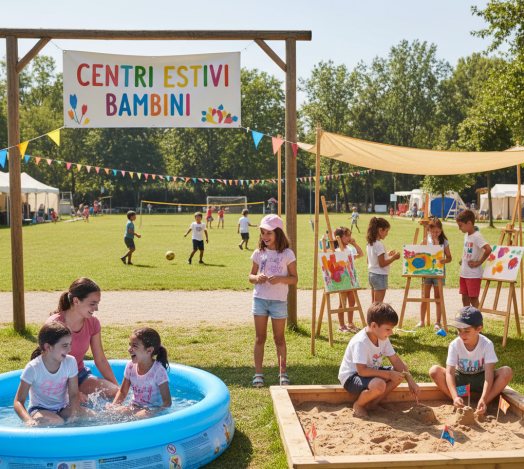
Summer is a special time of year for children, a period of play, socialization, and discovery, but it can also be a challenge for families trying to balance work and commitments. Organizing a summer camp for children is not only an educational opportunity but can also become a valuable professional project for associations, cooperatives, or individual organizers.
In this article, we will go step by step through how to structure a summer camp, from choosing the spaces to activities, insurance, cost management, and promotion.
1. Planning the Summer Camp
The planning phase is crucial: a successful project starts with clear objectives, target audience, and organizational structure.
1.1 Defining Educational Goals
First of all, it is essential to define the educational mission of the summer camp. Some possible goals include:
- Stimulating creativity through artistic, musical, and theatrical workshops.
- Promoting socialization and emotional skill development.
- Offering sports and physical activities to encourage well-being.
- Raising awareness about environmental respect with outdoor activities and contact with nature.
Defining objectives helps in planning daily activities and clearly communicating the value of the camp to parents.
1.2 Identifying the Target Audience
Not all summer camps are suitable for every age group. You need to establish:
- Minimum and maximum ages of the children.
- Any special needs, such as including children with disabilities.
- Maximum number of participants based on available spaces and staff.
These factors will influence space organization, staff-to-child ratios, and activities.
1.3 Choosing Duration and Schedule
Summer camps usually run between June and September. Some options include:
- Theme weeks: each week focuses on a different theme (art, sports, science, nature).
- Continuous summer camp: active throughout the summer, with weekly or monthly registrations.
- Half-day or full-day programs: depending on family needs and staff availability.
Defining these parameters also helps calculate costs and plan resources.
2. Spaces and Safety
Choosing the right spaces is essential for both safety and the quality of activities.
2.1 Types of Spaces
- Indoor spaces: classrooms, gyms, multipurpose halls. Should be bright, ventilated, and free of hazards.
- Outdoor spaces: gardens, courtyards, equipped parks. Ideal for outdoor play and physical activities.
- Specialized activity areas: creative workshops, music or theater rooms.
2.2 Physical Safety
Safety is a top priority:
- Controlled access: supervised entrances and participant registers.
- First aid kits and trained personnel.
- Non-slip flooring and certified equipment.
- Fire safety regulations and clear emergency exits.
2.3 Emotional Safety
Creating a safe environment also means:
- Ensuring a respectful and inclusive atmosphere.
- Educators trained in conflict and emotional management.
- Attention to rest periods and age-appropriate activities.
3. Staff and Training
Staff is the heart of a summer camp. Choosing and training educators ensures a quality experience.
3.1 Types of Staff
- Educators/animators: conduct daily activities, supervise games and workshops.
- Sports instructors: if the camp includes physical or sports activities.
- Support staff: kitchen, cleaning, and administrative roles.
- Coordinator: manages the team, organizes schedules, and oversees safety.
3.2 Required Training
Staff should have skills in:
- Childhood pedagogy and psychology.
- Pediatric first aid.
- Group management and animation.
- Inclusion of children with special needs.
4. Educational and Recreational Activities
Activities are the heart of the camp. They must be varied, stimulating, and age-appropriate.
4.1 Games and Physical Activities
- Group games for socialization and cooperation.
- Obstacle courses and water games for physical skills development.
- Team sports: soccer, volleyball, basketball, or alternative activities like climbing or kids’ yoga.
4.2 Creative Workshops
- Painting, clay modeling, collages, and other visual arts.
- Music workshops: instruments, singing, percussion.
- Theater: short plays or improvisation exercises.
4.3 Outdoor Activities and Nature Contact
- Gardening and educational vegetable patches.
- Observing insects, plants, and small animals.
- Short excursions and orientation games.
4.4 Educational Activities
- Interactive storytelling and reading sessions.
- Simple scientific experiments.
- Environmental education and sustainability awareness.
5. Insurance and Legal Requirements
A summer camp requires insurance coverage and legal compliance.
5.1 Liability Insurance
Covers damages to third parties, children, or staff during activities. Often mandatory.
5.2 Accident Insurance
Protects children and staff in case of accidents or injuries during the camp. Often includes transport coverage if provided.
5.3 Legal Compliance
- Registration of the camp with local authorities (municipality or region).
- Health permits and certifications for space suitability.
- Documentation for participants: registration forms, consent forms, allergies, or special needs.
6. Costs and Financial Management
Organizing a summer camp requires careful cost planning.
6.1 Main Costs
- Staff salaries: educators, instructors, coordinators.
- Rent or maintenance of spaces.
- Materials and equipment: toys, instruments, creative materials.
- Insurance: liability and accident coverage.
- Catering or snacks: if provided.
6.2 Setting Registration Fees
Fees should cover costs and ensure the project’s sustainability. They may vary depending on:
- Number of weeks or days attended.
- Type of activities (sports, workshops, excursions).
- Additional services (meals, transport).
6.3 Funding Opportunities
- Sponsorships from local institutions or companies.
- Contributions from cultural or sports associations.
- Discounts or scholarships for low-income families.
7. Promotion and Communication
A successful summer camp must be known to families.
7.1 Promotion Channels
- Social media: Facebook, Instagram, and local community groups.
- Flyers and posters in neighborhoods and schools.
- Newsletters or mailing lists for interested families.
7.2 Information to Communicate
- Weekly program and main activities.
- Age groups and opening hours.
- Safety measures, qualified staff, and insurance coverage.
- Testimonials from families and photos of workshops (with permissions).
8. Daily Management of the Camp
8.1 Welcoming Children
- Register attendance and communicate with parents.
- Introduce educators and explain camp rules.
- Assign children to age-appropriate groups.
8.2 Daily Routine
- Welcome and free play.
- Main activities of the day: workshops, sports, group games.
- Lunch and snack break.
- Outdoor activities and afternoon relaxation.
- Farewell and pickup by parents.
8.3 Monitoring and Feedback
- Observe children to adapt activities.
- Collect feedback from parents to improve services.
- Internal evaluation among educators to optimize management.
9. Benefits for Children and Families
Organizing a summer camp is not only a logistical task; it brings tangible benefits.
9.1 For Children
- Social and emotional development.
- Improvement of cognitive and creative skills.
- Safe physical and motor experiences.
- Creation of positive and lasting memories.
9.2 For Families
- Organizational support and work-family balance.
- Confidence in leaving children in a safe and stimulating environment.
- Opportunity to observe children’s progress and participate in events or workshops.
10. Conclusion
Organizing a summer camp for children requires planning, attention to safety, staff selection, design of stimulating activities, and financial management. It is a complex but highly rewarding process: it allows children to grow, have fun, and socialize, and provides families with reliable support during the summer months.
A well-organized summer camp is not just a place to play; it is a laboratory for growth and learning where children can develop skills, creativity, and self-esteem. Investing time and resources in a quality project creates unforgettable experiences and contributes to community well-being.
We look forward to your comments!