
Summer Camps for Children: a Summer of Growth, Play, and Discovery
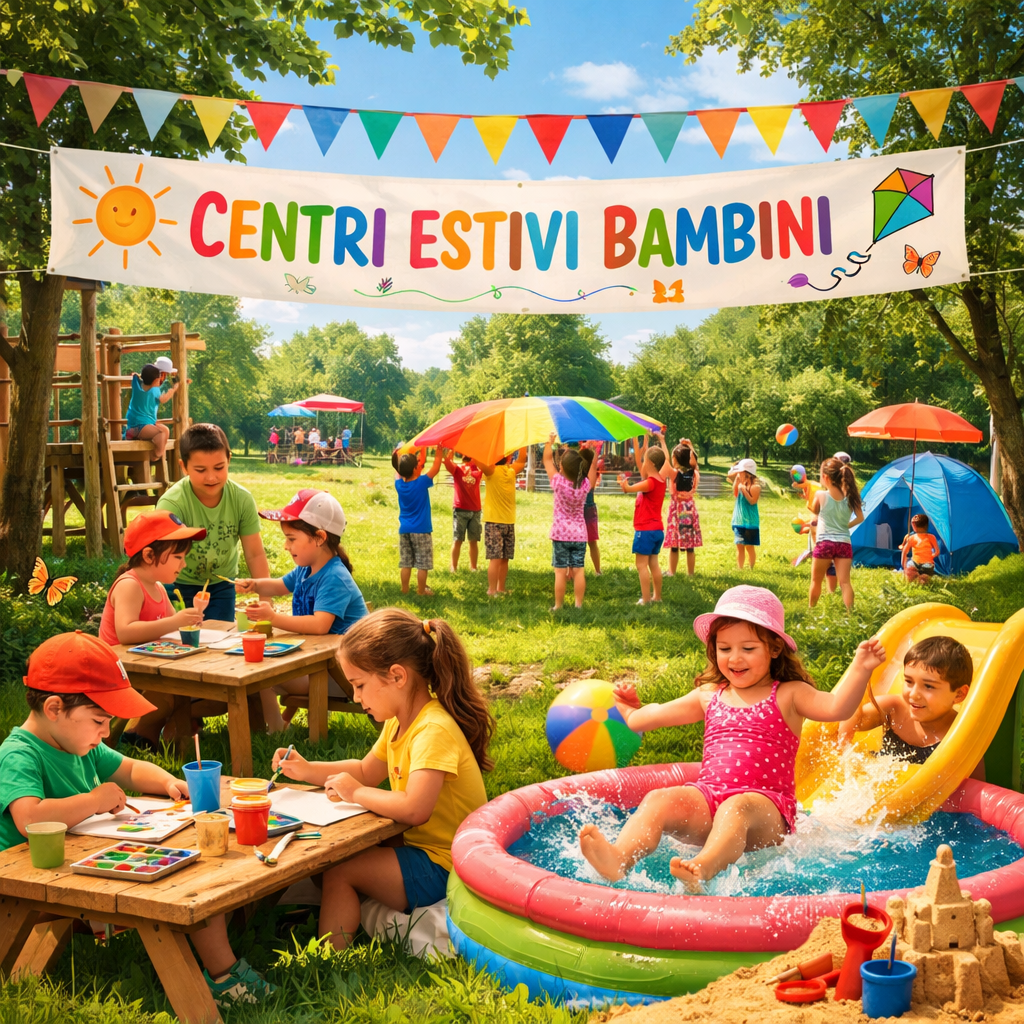
Summer is a special time of year for children: school is over, days are longer, and the desire to spend time outdoors, play, and experience new adventures grows. In this context, summer camps for children play a fundamental role—not only as organizational support for families, but above all as true educational, social, and emotional experiences.
In recent years, summer camps have evolved significantly, transforming from simple childcare services into spaces rich in educational, creative, and inclusive opportunities. In this article, we explore what summer camps are today, the benefits they offer children, how to choose the most suitable one, and why they represent a valuable investment in children’s development.
What Are Summer Camps for Children?
Summer camps are educational and recreational programs that take place during the school break, generally between June and September. They can be organized by municipalities, sports and cultural associations, social cooperatives, religious organizations, or private entities.
Their main feature is the variety of activities offered, designed to stimulate children in multiple areas: physical, cognitive, social, and emotional. Group games, creative workshops, sports, outdoor activities, excursions, and moments of relaxation come together in a structured yet flexible daily routine, adapted to the age of the participants.
A Safe and Stimulating Environment
One of the most important aspects of summer camps is safety, both physical and emotional. The spaces are usually supervised, well-equipped, and designed to welcome children of different age groups. Qualified educators and activity leaders guide children through daily activities, fostering a calm, welcoming, and respectful atmosphere.
However, safety is not just about rules—it is also about feeling heard, accepted, and valued. In the best summer camps, each child is recognized in their uniqueness, with their own pace, interests, and emotions.
The Educational Benefits of Summer Camps
Attending a summer camp is not just about “passing the time.” The educational benefits are numerous and often long-lasting.
Development of Social Skills
Children learn how to be part of a group, collaborate, share spaces and materials, and resolve small conflicts. They make new friends and strengthen their ability to communicate effectively.
Autonomy and Responsibility
Through daily activities, children are encouraged to take care of themselves, their belongings, and their environment. Simple actions, such as tidying up materials or respecting schedules, help build a sense of responsibility and independence.
Creativity and Self-Expression
Artistic, musical, and hands-on workshops allow children to express their imagination without judgment. Drawing, painting, building, inventing stories, or staging small performances helps develop creativity and self-confidence.
Physical Well-Being
Movement is a central component of summer camps. Outdoor games, sports, motor activities, and nature-based play promote an active and healthy lifestyle, counteracting sedentary habits.
The Value of Play
Play is the natural language of children, and in summer camps it takes on a fundamental educational role. Through play, children learn rules, develop cognitive skills, and learn to manage emotions such as frustration, joy, and anticipation.
In summer settings, play is often free yet guided: educators observe, suggest, and intervene only when necessary, leaving room for children’s initiative. This balance encourages spontaneous learning and the joy of discovery.
Outdoor Activities and Contact with Nature
Many summer camps place great importance on contact with nature. Parks, gardens, forests, and green spaces become privileged places for exploration and learning. Children learn about the environment, respect it, and feel part of it.
Activities such as educational gardens, water games, observing insects and plants, or simple walks stimulate curiosity and environmental awareness—topics that are increasingly important for younger generations.
Inclusion and Respect for Differences
An increasingly central aspect of summer camps is inclusion. Welcoming children with different abilities, cultures, and backgrounds means offering everyone the opportunity to grow in a rich and stimulating environment.
Through cooperative activities and a mindful educational approach, summer camps can become places where differences are not obstacles but resources. Learning mutual respect from an early age helps shape more aware and open-minded adults.
How to Choose the Right Summer Camp
For families, choosing a summer camp is not always easy. Some aspects to consider include:
- Educational approach: What values and goals does the camp promote?
- Staff qualifications: Trained and experienced educators are essential.
- Facilities and activities: Suitable spaces and varied programs support children’s well-being.
- Child-to-staff ratio: A balanced ratio ensures greater individual attention.
- Schedule flexibility: Useful for balancing family and work commitments.
When possible, involving the child in the choice helps create positive expectations and a relaxed attitude toward the experience.
The Role of Summer Camps for Families
In addition to benefits for children, summer camps provide important support for parents. They offer a practical solution during the summer months, helping families balance work and family life with greater peace of mind.
Knowing that a child is spending time in a safe and stimulating environment reduces stress and strengthens the relationship of trust between families and educators.
A Memory That Lasts Over Time
For many children, summer camp becomes one of the most beautiful memories of childhood: laughter with friends, first sports challenges, creations proudly taken home, songs sung together.
These experiences help build a positive emotional foundation that will accompany children in later years, strengthening self-confidence and the ability to face new situations.
Conclusion
Summer camps for children are not just a seasonal service, but a valuable educational opportunity. They offer spaces for growth, relationships, and discovery, where fun is intertwined with learning and well-being.
In an increasingly fast-paced and digital world, giving children a summer filled with real play, authentic relationships, and contact with nature is a truly meaningful gift. Choosing and supporting quality summer camps means investing in the future of our children and our communities.
We look forward to your comments!